
Dredging
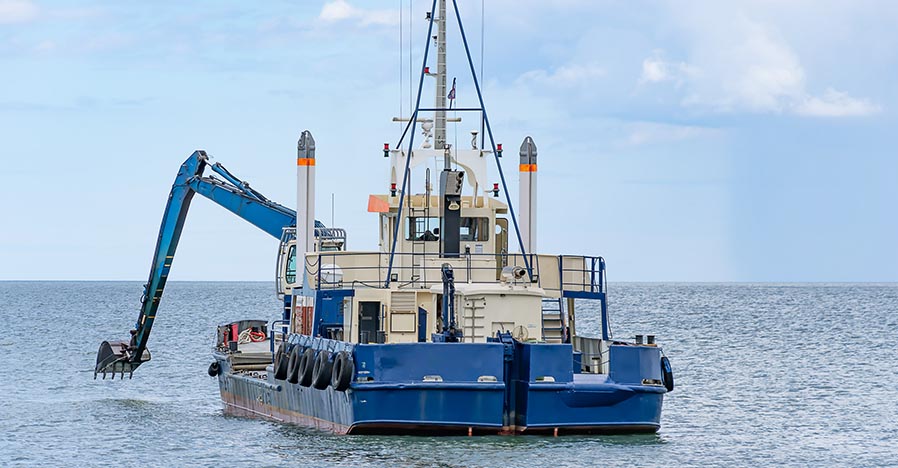
Dredging Services
Restoring Safe Water Depth
Sediment buildup is a common issue in Southwest Florida canals, marinas, and waterfront properties. Over time, this buildup can restrict boat access, reduce water flow, and create navigation challenges. Professional dredging helps restore proper depth and improves overall waterway functionality. Maintaining adequate depth also reduces stress on docks and seawalls caused by improper water movement. Routine dredging supports long term waterfront usability.
Precision Dredging Methods
Dive Dogs performs dredging using controlled techniques designed for marine environments. Our team focuses on accuracy to prevent unnecessary disturbance to surrounding structures. Each project is evaluated to determine sediment type, depth requirements, and access considerations. This approach allows dredging to be completed efficiently and responsibly. Proper planning ensures consistent results in both residential and commercial settings.
Supporting Waterfront Properties
Dredging plays a critical role in protecting waterfront investments. Restored water depth improves vessel access and reduces the risk of grounding. It also supports better drainage and circulation in canals and basins. Property owners benefit from improved functionality and reduced long term maintenance issues. Dredging is an essential part of maintaining healthy marine infrastructure.
Questions? We Have Answers
Below are answers to common questions about professional dredging services and what property owners can expect when maintaining waterfront access.
Signs include shallow water, difficulty navigating boats, or visible sediment buildup. Reduced water flow is also a common indicator. An underwater evaluation can confirm the extent of buildup.