
Underwater Bridge Inspections
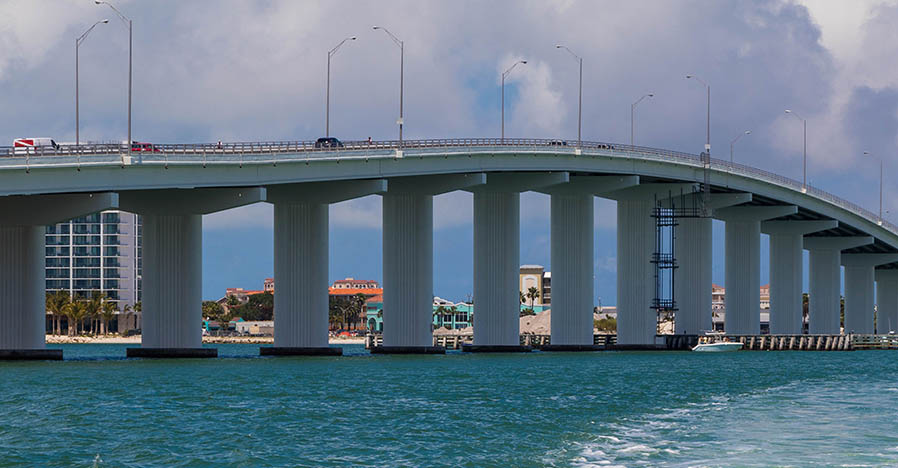
Underwater Bridge Inspections With Ultrasound Testing
Evaluating Structural Conditions Below the Waterline
Bridge components below the waterline are exposed to constant environmental stress and are not visible during surface inspections. In Southwest Florida, tidal movement, currents, and soil conditions can accelerate deterioration over time. Underwater bridge inspections allow trained divers to evaluate submerged foundations, pilings, and structural elements. These inspections help identify material loss, cracking, and other hidden concerns. Early detection supports safer bridges and informed maintenance planning.
Advanced Ultrasound Testing for Accurate Assessment
Ultrasound testing provides detailed insight into the internal condition of submerged structural components. This technology allows divers to detect thinning, voids, and internal defects that may not be visible externally. Accurate data helps engineers and property owners understand the true condition of bridge elements. Ultrasound testing supports objective evaluations rather than assumptions. Reliable measurements are essential for long term infrastructure management.
Supporting Infrastructure Safety and Longevity
Regular underwater bridge inspections play an important role in maintaining public safety and infrastructure reliability. Inspections help guide maintenance schedules and prioritize repairs before issues escalate. Local experience allows divers to account for Southwest Florida water conditions during evaluations. Clear findings support proactive decision making and budget planning. Professional inspections contribute to safer and longer lasting bridge structures.
Questions? We Have Answers
Below are answers to common questions about underwater bridge inspections and the use of ultrasound testing.
Inspection frequency depends on bridge age, usage, and environmental conditions. Many structures are inspected on a scheduled basis. Regular inspections help ensure ongoing safety.