
Seawall Construction & Repair
Seawall Construction
Protecting Shorelines From Erosion
Seawall construction plays a vital role in protecting waterfront properties from erosion and water intrusion. In Southwest Florida, changing tides, boat traffic, and soil conditions can place constant pressure on shorelines. A properly constructed seawall helps stabilize land and reduce the risk of washout. Quality construction also supports surrounding structures such as docks and walkways. Long term shoreline protection begins with proper design and execution.
Structural Support Below the Waterline
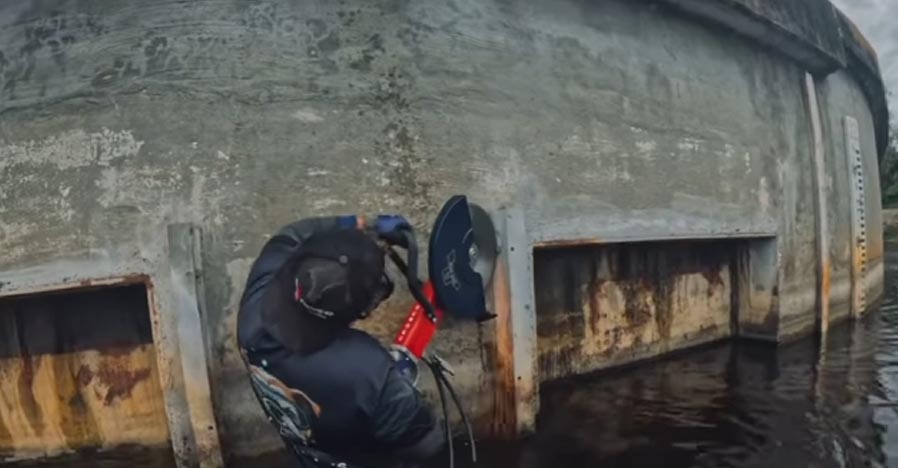
The most critical components of a seawall are located below the waterline. Proper footing preparation and underwater reinforcement help prevent shifting and settlement over time. Underwater construction ensures materials are placed correctly and supported by stable soil. Attention to these details improves durability and performance. Strong underwater support reduces the likelihood of premature failure.
Built for Southwest Florida Conditions
Local water movement and soil composition directly affect seawall performance. Construction methods must account for these conditions to ensure long term stability. Experience working in Southwest Florida allows seawalls to be built with site specific considerations in mind. Proper planning helps extend the lifespan of the structure. A well constructed seawall protects property and surrounding land for years to come.
Questions? We Have Answers
Below are answers to common questions about seawall construction and what property owners should expect during the process.
Underwater components support the entire structure and prevent erosion beneath the wall. Proper installation below the waterline helps maintain stability. Without this support, seawalls are more likely to shift or fail.
In some cases, reinforcement or repairs may be possible. An inspection is needed to determine the condition of the existing structure. Early intervention often prevents the need for full replacement.